Charter Bus Pricing Explained: What Affects the Cost?
Navigating the world of group transportation can feel like trying to solve a puzzle with ever-shifting pieces. If you’ve ever wondered why a quote for a 50-mile trip in June costs more than a 100-mile trip in January, you aren’t alone. Charter bus pricing is rarely a “flat rate” service; instead, it is a sophisticated calculation based on logistics, timing, and market demand.
Whether you are planning a corporate retreat, a dream wedding, or a cross-country school field trip, understanding the “why” behind the numbers can help you budget effectively and potentially save hundreds of dollars. Here is an in-depth look at what actually affects the cost of a charter bus.
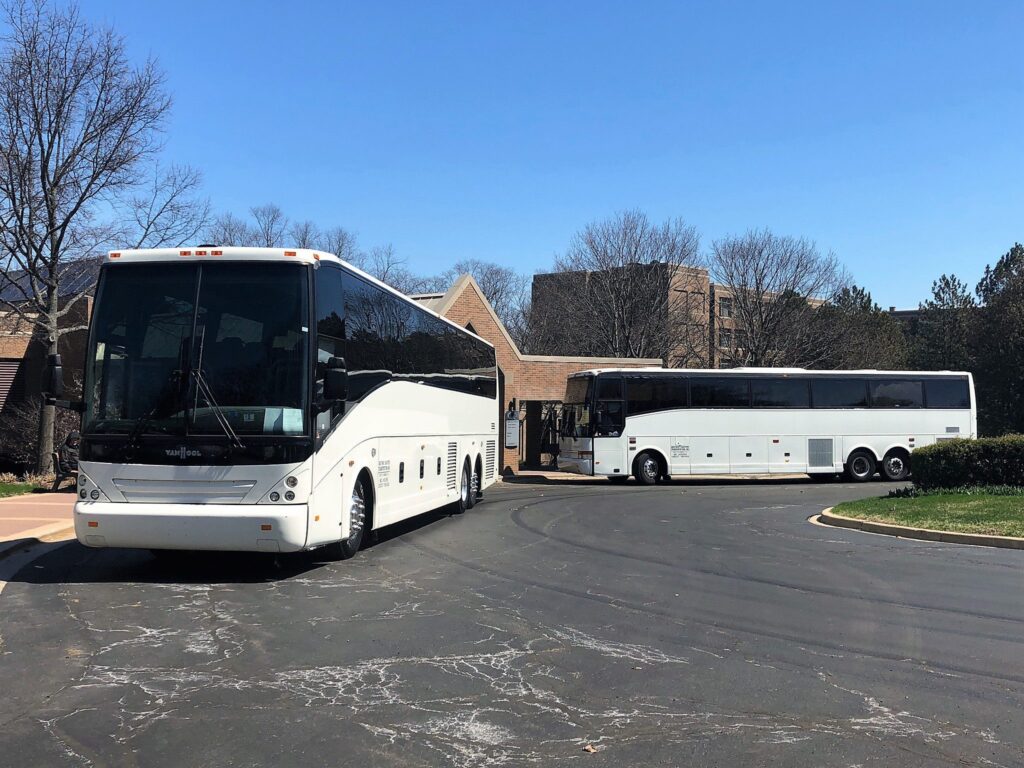
1. The Core Pricing Models: How the Clock and Odometer Work
Before diving into the variables, it is essential to understand how bus companies “build” a quote. Generally, they use one of three primary metrics:
Hourly Rates: Used for local trips where the bus stays within a specific radius. Most companies have a 4- to 5-hour minimum to ensure the trip is worth the fuel and labor of moving the vehicle out of the yard.
Daily Rates: Common for multi-day events, such as a three-day sports tournament. You pay a flat fee per day, which typically covers a set number of hours and miles.
Mileage-Based Rates: For long-distance, over-the-road travel (e.g., Chicago to New Orleans), companies often charge by the mile. In 2026, standard rates for a full-sized motorcoach typically range from $4.00 to $7.00 per mile.
2. Distance and Duration: The Foundation of Your Quote
It seems obvious that a longer trip costs more, but the relationship isn’t always linear.
The “Deadhead” Factor
One of the most common “hidden” costs is deadhead mileage. This refers to the distance a bus travels without any passengers on board—specifically, the journey from the bus company’s garage to your pickup location and from your final drop-off back to the garage. If you hire a company located 50 miles away from your starting point, you are effectively paying for 100 miles of travel before your group even steps on the bus.
Driving Limits and “Relief” Drivers
Safety regulations are a major cost driver. Federal law (ELD mandates) strictly limits a driver’s service hours. Generally, a driver cannot drive more than 10 hours after 8 consecutive hours off duty. If your itinerary requires 15 hours of driving in a single day, the company must either:
Schedule a mandatory 8-hour stop (increasing your daily rental cost).
Provide a relief driver, which can add significantly to the labor costs.
3. Vehicle Type and Capacity
The size of your group dictates the size of your bus, which directly impacts the price. However, bigger isn’t always more expensive on a per-person basis.
| Bus Type | Capacity | Estimated Cost (Daily) | Best For |
| Full-Sized Charter Bus | 50–56 | $1,300 – $2,500 | Long-distance, large groups |
| Executive Minibus | 24–35 | $1,100 – $1,800 | Corporate events, weddings |
| Sprinter Van | 12–15 | $800 – $1,300 | Airport transfers, small teams |
| School Bus | 44–60 | $600 – $1,100 | Budget field trips, short hops |
Pro Tip: If you have 38 people, you might be tempted to squeeze into a 35-passenger minibus to save money. Don’t. Not only is it a safety violation, but the lack of luggage space in smaller buses often forces groups to upgrade to a full-sized coach anyway.
4. Seasonality and the “Peak Month” Surge
Charter bus pricing follows the laws of supply and demand more strictly than almost any other travel sector.
Peak Season (April, May, June): This is the “perfect storm” for bus companies. It’s the season for proms, graduations, family reunions, and end-of-year school trips. During these months, demand often exceeds supply, and prices can jump 20% to 50%.
Off-Peak Season (January, February, July): Mid-winter and the heat of mid-summer are generally slower. If you can schedule your event during these months, you are far more likely to find competitive rates and higher vehicle availability.
Day of the Week: A Tuesday rental is almost always cheaper than a Saturday rental. Weekend demand for weddings and sporting events keeps fleets busy, while mid-week “lulls” offer opportunities for discounts.
5. Geographic Location and “Hub” Pricing
Where you start your journey matters. In major metropolitan hubs like New York City, Chicago, or Los Angeles, there are more bus companies, which creates competition. However, these cities also have higher operating costs (insurance, garage fees, and labor).
Conversely, if you are in a rural area with only one local provider, you might pay a premium because that provider knows they are the only option—or you’ll pay significant deadhead fees to bring a bus in from a larger city.
6. Onboard Amenities: Luxury Comes at a Price
Modern charter buses aren’t just vehicles; they are mobile lounges. While standard features like AC and reclining seats are included, premium “add-ons” can influence the final quote:
Wi-Fi and Power Outlets: While becoming standard, some older fleets or budget providers may charge a small surcharge for high-speed connectivity.
Onboard Restrooms: Most full-sized coaches have them, but if you specifically request an “Executive” or “VIP” coach with upgraded interiors and galley kitchens, expect to pay a premium.
ADA Accessibility: By law, companies must provide ADA-accessible buses if requested, but because these specialized vehicles are rarer, booking them early is crucial to avoid “last-minute” sourcing fees.
7. The “Extra” Logistics (Often Overlooked)
When you receive a quote, it usually covers the bus, the driver, and fuel. However, your total “out-of-pocket” expense will include several other factors that are rarely in the initial quote:
Driver Accommodations
If your trip is overnight, you are responsible for the driver’s lodging. Most companies require a private, clean hotel room (3-star minimum) so the driver can get the federally mandated 8 hours of rest. Expert Hack: Many hotels will provide a free or discounted room for the bus driver if you are already booking a large block of rooms for your group.
Tolls and Parking
A bus isn’t a car. In cities like New York or DC, parking a bus can cost $100 to $200 per day. Tolls for heavy vehicles are also significantly higher. Always ask your provider if tolls are “inclusive” or if you will be billed for them after the trip.
Gratuity
While not mandatory, a tip for a job well done is industry standard. Usually, 10% to 15% of the total rental price is expected. For a $2,000 rental, a $200–$300 tip for a driver who handled 14 hours of traffic and managed your luggage is a fair gesture.
8. How to Lower Your Charter Bus Costs
If the numbers are looking a bit high, here are four concrete ways to trim the fat from your quote:
Book 3–6 Months in Advance: This is the single best way to save. As the “busy” dates fill up, companies raise prices on their remaining inventory.
Streamline Your Itinerary: Minimize the number of stops. Every time a driver has to navigate a new parking lot or wait at a curb, it adds “on-duty” time that can trigger overtime or relief-driver requirements.
Choose the “Right” Size: Don’t pay for a 56-passenger coach if you only have 20 people. An executive minibus is more fuel-efficient and easier to maneuver in city traffic.
Confirm the “Garage” Location: Try to book with a company whose headquarters is closest to your pickup point to eliminate deadhead costs.
Summary: The Value of a Quote
At the end of the day, charter bus pricing is about peace of mind. When you see a high quote, remember that you aren’t just paying for a seat; you are paying for a commercially insured vehicle, a professionally trained (and drug-tested) driver, and the logistical support to ensure your group arrives safely and together.
By understanding these eight factors—from seasonality to the driver’s sleep schedule—you can enter your next negotiation as a savvy traveler rather than a confused customer.
Would you like me to create a customized “Budget Checklist” based on your specific trip details and group size?